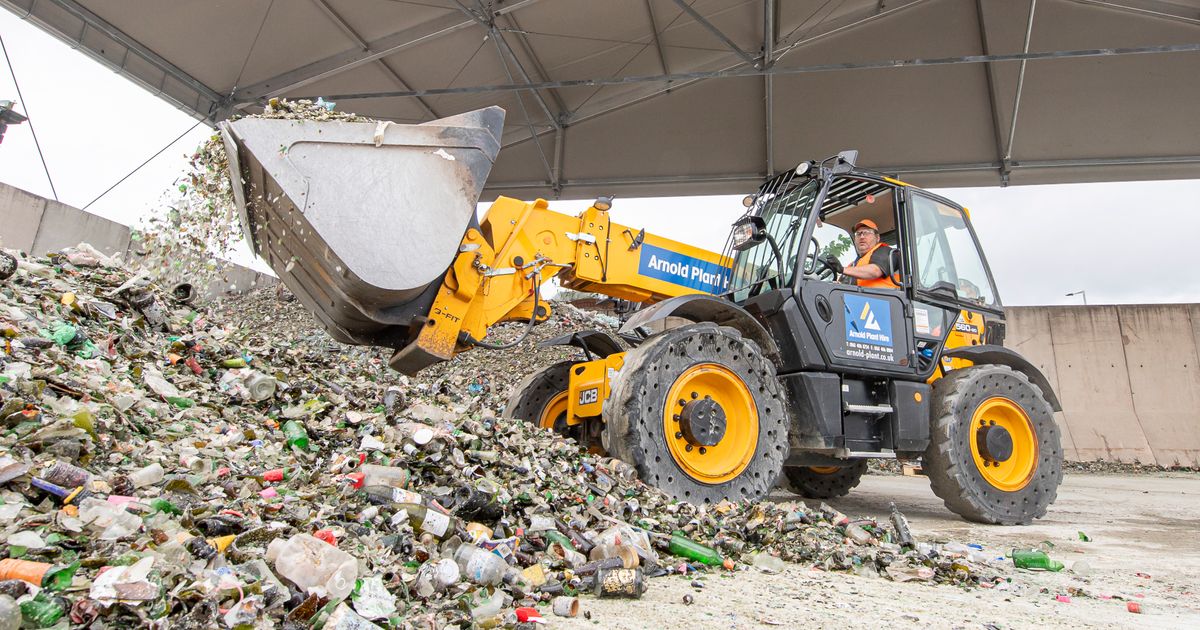
Glass has long been considered one of the most sustainable packaging materials available, but what really makes the difference is how it’s recycled.
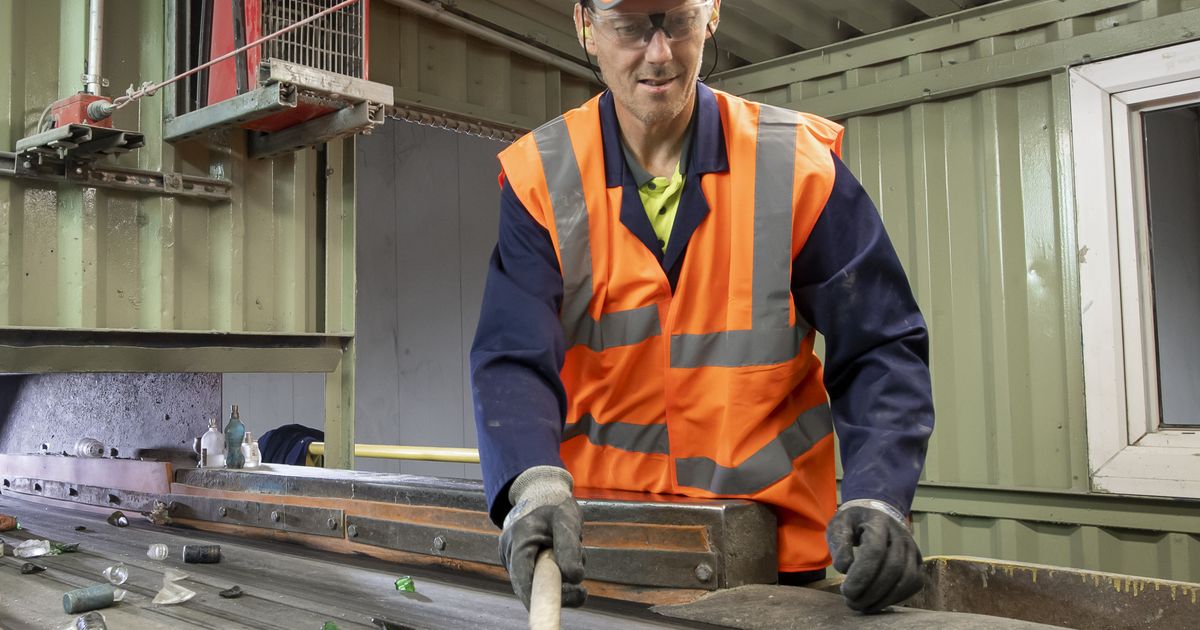
At Beatson Clark’s onsite glass recycling plant, we process approximately 44,000 tonnes of used glass each year, feeding it straight back into production.
Why Onsite Glass Recycling Makes a Difference
Many manufacturers rely on external recycling supply chains, where glass waste is transported away for processing before eventually returning as a raw material. At Beatson Clark, we work differently.
By processing the majority of our recycled glass onsite, we can manage the journey from waste to furnace within a single, controlled system. This reduces the need for additional transport and gives us much closer control over material quality throughout the process.
It also allows us to work more efficiently, keeping material moving through production without potential unnecessary delays. This supports consistent quality and allows us to maximise the amount of recycled content we use, with our amber glass containers averaging 60% post-consumer recycled (PCR) content and our white flint glass averaging 42%.
Here’s a closer look at how the process works.
From Waste to Resource: The Glass Recycling Process
1. Collection and Delivery
The process begins with glass collected from households, businesses and bottle banks, which are delivered to the plant for processing.
2. Removing Steel Contaminants
Magnets are used to remove steel items such as lids and cans.
3. Separating Aluminium
An eddy current system removes aluminium lids and cans.
4. Screening
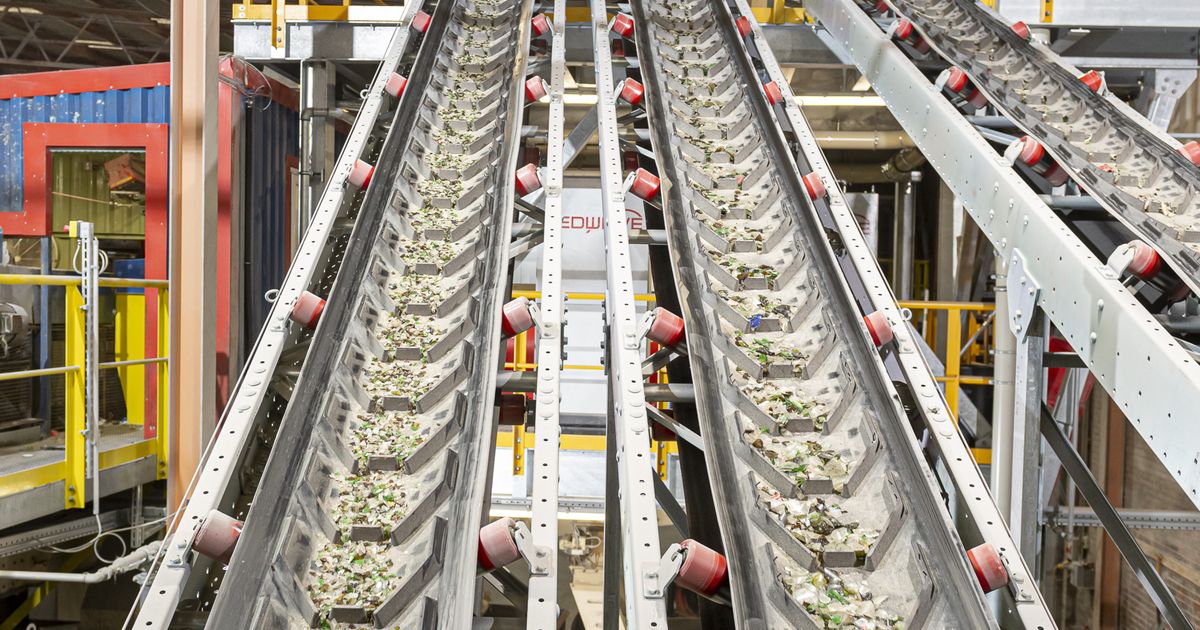
Various screening equipment is used, separating larger fragments and breaking them into cullet and grading the material into sizes to optimise the optical sorting.
5. Manual Sorting
Any paper, plastics and contaminants are removed manually and sent to a local recycling centre for processing.
6. Removing Light Contaminants
A vacuum system removes any remaining small paper and plastic.
7. Optical Sorting
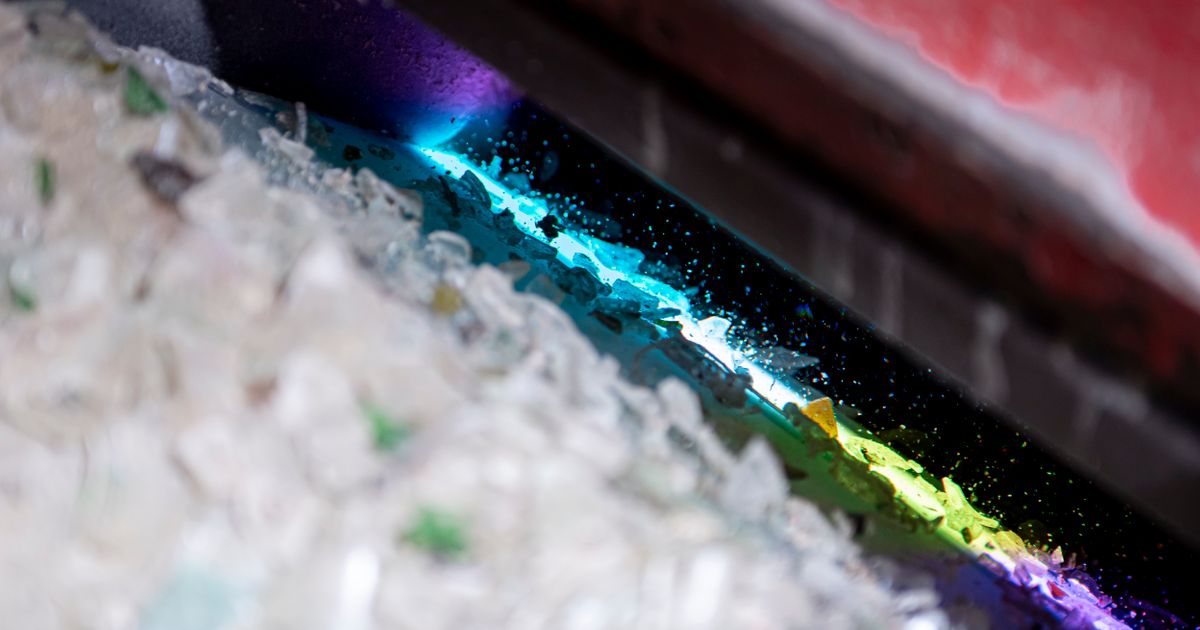
Advanced optical sorters using state-of-the-art cameras, computers, and air jets identify and remove ceramics, stones, and porcelain (CSP) and pyroceramics that cannot be used in our furnaces.
8. Final Colour Sorting
The final optical sorters separate and remove clear glass, resulting in two products: clear (flint) and coloured (amber) glass cullet.
9. Back Into Production
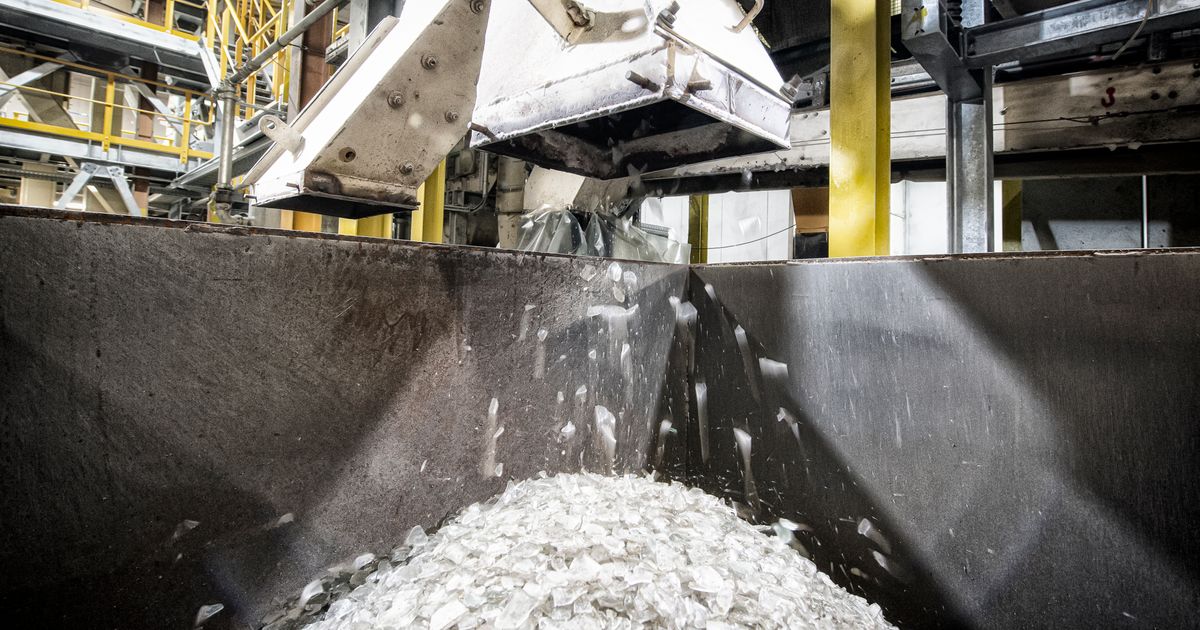
The cullet is then delivered to our on-site glass furnaces, along with any waste glass from our manufacturing process, ready to be melted and formed into new containers.
A Smarter Approach to Sustainable Glass Manufacturing
For businesses choosing glass packaging, the material itself is only part of the story. How that glass is sourced, processed, and reused has a direct impact on its overall environmental impact.
Our onsite recycling plant allows us to take control of the glass lifecycle, while reducing waste at every stage. By keeping recycling and production closely linked, we can work more efficiently, maintain consistent quality throughout, and make effective use of both post-consumer and factory glass waste as part of a closed-loop manufacturing process.