Sustainability is no longer a buzzword – it’s a business imperative. But how can your brand adapt to operate more sustainably, cut carbon emissions, and minimise waste?
One key way is through your choice of packaging. Glass has long been recognised as the most sustainable and environmentally friendly packaging material, and at Beatson Clark, we always go the extra mile to minimise our environmental impact.
Recyclability of glass
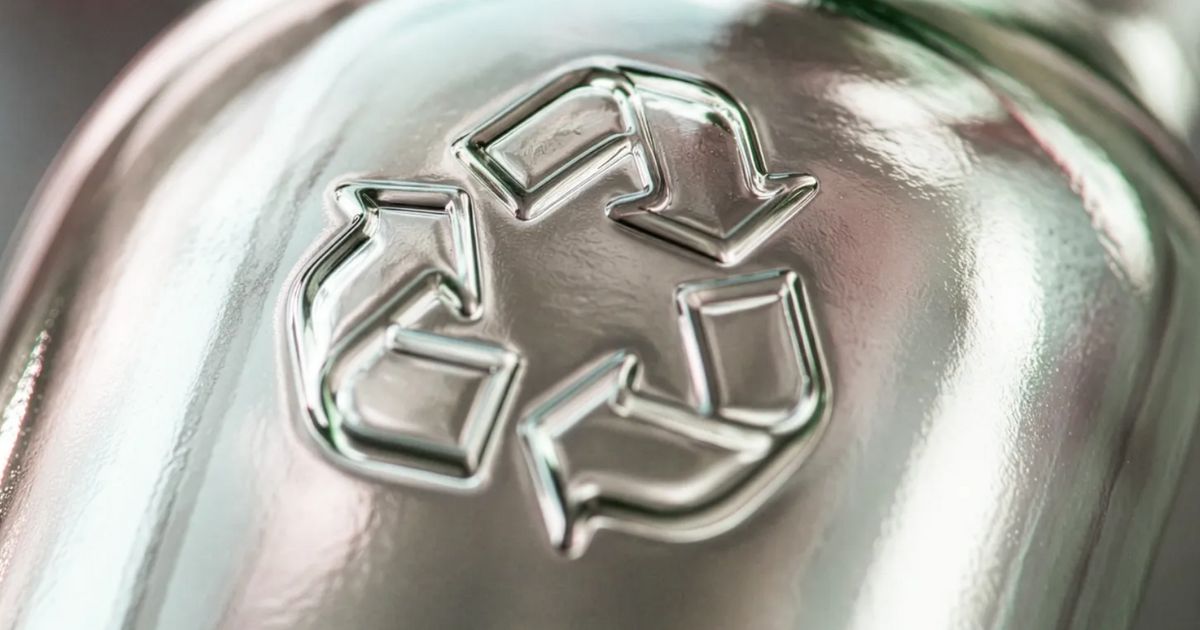
The sustainability of glass sets it apart from other packaging materials. Glass is 100% recyclable forever, and it can be melted down repeatedly to create new bottles and jars without any loss of quality or integrity.
In the UK, 74% of glass is currently recycled, and the industry is working towards a target of 90% by 2030. Furthermore, a recent study by Stazione Sperimentale del Vetro has found that opaque glass packaging is being recycled more effectively than ever across Europe.
At Beatson Clark, all our glass containers are manufactured using high recycled content, averaging 60% post-consumer recycled (PCR) content in our amber glass containers and 42% PCR in our white flint glass. Additionally, any waste glass created during the manufacturing process is recycled back into the furnace, so there is zero waste and even lower use of raw materials.
Every 10% of recycled glass means an estimated 5% reduction in CO₂ emissions and a 3% cut in energy consumption, so the more recycled glass manufacturers use, the better it is for the environment.
These efforts to recycle more and waste less are all part of our commitment to support the government in achieving Net Zero greenhouse emissions nationwide by 2050.
Beatson Clark’s on-site recycling plant
Recycled glass, or ‘cullet’, is so important to our manufacturing process that we are the only glass manufacturer in the UK with our own dedicated recycling plant on site, which provides a steady flow of waste glass for the furnaces.
In 2025, we invested £750k to upgrade our recycling plant with cutting-edge Optical Sorters, using the latest camera technology to detect and remove pyro-ceramics. This ensures our cullet is of the highest quality.
Every year, we process around 44,000 tonnes of waste glass recovered from kerbside collections, bottle banks and the hospitality trade on site. This glass is then processed and melted in the furnaces to make new bottles and jars, all on the same site in South Yorkshire.
“Recycling waste glass is a really important part of our manufacturing process as it reduces the amount of raw materials we use and cuts down on energy use and carbon emissions too,” explained Charlotte Pike, Marketing Manager at Beatson Clark.
Charlotte added that Beatson Clark works hard to encourage householders to recycle more, and to recycle correctly by identifying what glass can go in the recycling bin and what can’t.
Heatproof glass like Pyrex and oven doors can’t be recycled with bottles and jars, for example, and the same applies to mirrors, spectacles, window glass and light bulbs. They melt at a different temperature and can cause glass defects in the new packaging being produced.
Beatson Clark works closely with British Glass and FEVE, the European Glass Container Federation, to encourage people to recycle more glass and to keep as much recycled glass in the UK as possible. Currently 335,000 tonnes of glass waste is exported from the UK to mainland Europe every year. This goes against the environmental purpose of recycling, as this glass could be locally processed and used in UK packaging manufacturing.
Reducing energy use and carbon emissions in glass production
Beatson Clark has also taken steps to ensure that energy use and carbon emissions are kept as low as possible during the manufacturing process. Our regenerative furnaces reuse waste heat, cutting the amount of energy needed to achieve the correct temperature by approximately 15% and reducing emissions, which are carefully controlled and monitored.
The electrical boost in the amber furnace helps melt the batch more efficiently, reducing the fossil fuel used by approximately 10%. What’s more, Servo Electro Mechanisms in our IS machines reduce the compressed air consumption by over 10% and save energy too.
While these efforts are all working towards a carbon neutral manufacturing process, we are aware there is more that can be done. The industry is investing heavily in new technologies to replace the existing glass melting process.
Along with British Glass, the industry is lobbying the government to move to more renewable energy sources such as hydrogen or sustainably generated electricity to power glass furnaces. Unfortunately, the infrastructure is not yet available in the UK to allow us to switch from gas to more sustainable energy sources. Once improved infrastructure is in place, we plan to switch our furnaces to more environmentally friendly fuels.
Sustainable impact of lightweighting glass containers
In the last 20 years, glass bottles have become around 30% lighter on average, helping to reduce material use and carbon emissions. At Beatson Clark, each time a container mould comes up for renewal, our in-house design team reviews the design to reduce weight wherever possible. This ensures our packaging is optimised for efficiency and sustainability while maintaining performance and quality.
We’ve recently lightweighted 12 products in our general sale range, from beer and liqueur bottles to food jars, achieving reductions of between 5g and 105g per container. These changes not only lower the costs for customers but also reduce CO₂ emissions during manufacture, showing how even small design improvements can make a meaningful difference for the environment.
Choosing glass is a simple, powerful step toward a more sustainable future. With Beatson Clark’s commitment to recycled content, energy efficiency and continuous innovation, we’re ready to help your brand reduce its environmental footprint and lead the way in responsible packaging.